Dashboard Warning Lights and Symbols Explained
Every year, manufacturers equip vehicles with new systems and functions, each having its own indicators and gauges, making it quite difficult to understand them all. Furthermore, the same function or system in cars from different manufacturers may have an indicator that looks completely different from one in another make.
This text provides a list of indicators used to alert the driver. It is easy to guess that green indicators signal the operation of a system. Yellow or red ones, as a rule, warn of a fault or critical issue.
Let's examine the meanings of the symbols (lights) on the instrument panel:
Warning Indicators
The handbrake (parking brake) is applied, the brake fluid level might be low, or there is a fault in the braking system. | |
Red indicates a high cooling system temperature (overheating); blue indicates a low temperature. A flashing indicator signals an electrical fault in the cooling system. | |
Drop in engine oil pressure. It may also indicate a low oil level. | |
Engine Oil Sensor. The oil level has dropped below the minimum allowable value. | |
Voltage drop in the vehicle's network, battery not charging, or other faults in the electrical supply system. The 'MAIN' inscription is typical for hybrid vehicles. | |
STOP — emergency stop warning light. If the STOP symbol lights up on the dashboard, check the oil and brake fluid levels first, as on many cars, this signal often warns of these specific problems. On some models, 'STOP' lights up when the handbrake is raised or coolant temperature is high. It usually illuminates alongside another icon pinpointing the problem (if so, further driving with this fault is not recommended until the cause is identified). On older cars, it may light up due to a faulty fluid sensor (level, pressure, temperature) or a short circuit in the dashboard contacts. If a vehicle shows an engine symbol with 'STOP' inside (possibly accompanied by an audible signal), you must stop driving immediately for safety reasons, as this indicates serious problems. |
Fault Indicators and Safety Systems
Master warning signal for the driver in case of a non-standard situation (sharp drop in oil pressure, open door, etc.); usually accompanied by an explanatory text message on the dashboard display. | |
The meaning of the red triangle with an exclamation mark is essentially similar to the previous warning. However, on some vehicles, it may signal specific faults including SRS, ABS, charging system, oil pressure, brake fluid level, or brake force distribution issues, as well as other malfunctions that do not have their own dedicated indicator. In some cases, it lights up due to a poor contact in the dashboard connector or a burnt-out bulb. When it appears, check for text messages on the panel and other active indicators. This light comes on when the ignition is switched on but should go out after the engine starts. | |
Fault in the Electronic Stability Programme. | |
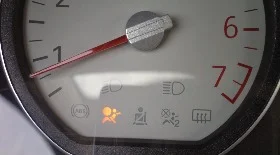
Faults in the passive safety system (Supplemental Restraint System — SRS) or airbags. | |
The indicator notifies that the front passenger airbag is deactivated (Side Airbag Off). The Passenger Airbag indicator will turn off automatically if an adult sits in the seat, whereas the AIRBAG OFF indicator signals a fault in the system. | |
The Roll Sensing Curtain Airbags (RSCA) system is not working. This system triggers in the event of a rollover. Vehicles prone to tipping are equipped with this system. Off-road driving or significant body tilts can trigger the system sensors, which may be a reason to manually disable it. | |
The Pre-Collision System (PCS) has failed. | |
Immobiliser or anti-theft system activation indicator. When the yellow 'car with key' light is on, the engine lock system is active; it should go out when the correct key is detected. If it does not, there is either a fault in the immobiliser system or the key has lost connection (is not recognised). Thus, icons featuring a car with a lock or key warn of anti-theft system faults or operation errors. | |
This red dot icon on the central display (often on Toyota or Daihatsu, as well as other cars) functions similarly to the previous indicators, denoting that the immobiliser function is active and the engine is locked against theft. The 'immo' light starts flashing immediately after the key is removed from the ignition. When attempting to start, the light glows for 3 seconds and should then go out if the key code is successfully recognised. If the code is not verified, the light will continue to flash. Constant illumination may indicate a system fault. | |
Red cog with an exclamation mark — warning of a powertrain or automatic transmission fault (electronic gear control system issue). A yellow gear icon suggests a mechanical failure in the gearbox or overheating, indicating the automatic transmission is operating in emergency (limp) mode. | |
For the meaning of the red spanner (wrench), refer to the vehicle's owner's manual. It usually indicates a service requirement or a specific fault. | |
This icon indicates a clutch problem. Most commonly found on sports cars, it signals a fault in the transmission assembly or clutch overheating. There is a risk that the vehicle may become uncontrollable. | |
The Automatic Transmission (A/T) temperature has exceeded the allowable limit. Driving is strongly discouraged until the transmission has cooled down. | |
Electrical fault in the Automatic Transmission (AT). It is not recommended to continue driving. | |
Automatic Transmission Park lock indicator (A/T Park — P). Often found on four-wheel-drive vehicles equipped with a low-range transfer case. The transmission locks when the 4WD switch is in the neutral (N) position. | |
An icon depicting a gearbox with the text “auto” can light up for several reasons: low transmission fluid level, low pressure, high temperature, sensor failure, or wiring fault. Typically, in such cases, the gearbox enters emergency mode (stuck in 3rd gear). | |
Shift Up indicator — a light signalling the need to shift to a higher gear for maximum fuel economy. | |
Fault in the electric or hydraulic power steering system. | |
Handbrake is applied. | |
Brake fluid level has dropped below the minimum. | |
Fault in the ABS (Antilock Braking System) or the system has been intentionally disabled. | |
Brake pads have reached their wear limit. | |
Electronic Brake-force Distribution system is faulty. | |
Failure of the electric parking brake system. | |
When the ignition is on, this indicates the need to press the brake pedal to unlock the automatic transmission gear selector. On some automatic cars, the reminder to press the brake pedal before starting the engine or shifting gears may be displayed as a shoe on a pedal (without the orange circle) or a similar green icon. | |
Similar to the previous yellow indicator with a foot, but without the surrounding lines, this has a different meaning – press the clutch pedal. | |
Warns of a drop in air pressure of more than 25% from the nominal value in one or more tyres (TPMS). | |
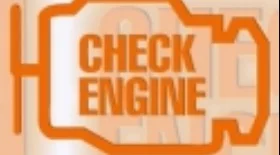
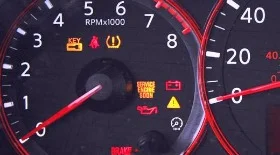
If lit while the engine is running, it warns of the need to diagnose the engine and its systems. It may be accompanied by the disabling of some vehicle systems until the faults are rectified. The EPC (Electronic Power Control) system will forcibly reduce fuel supply if an engine fault is detected. | |
Green Start-Stop indicator means the engine is stopped (eco mode), while yellow indicates a system fault. | |
Reduction in engine power due to a fault. Stopping and restarting the engine after about 10 seconds may sometimes resolve the issue. | |
Fault in transmission electronics or engine operation. Can indicate a problem with the injection system or immobiliser. | |
Dirty or faulty oxygen sensor (Lambda probe). Continued driving is not advisable, as this sensor directly influences the injection system. | |
Catalytic converter overheating or fault. Usually accompanied by a drop in engine power. | |
Check the fuel filler cap (it may be loose). | |
Informs the driver that another indicator has turned on or a new message has appeared on the dashboard display. Signals the need to perform certain service functions. | |
Indicates that the driver should refer to the car's owner's manual to decipher a message that has appeared on the dashboard display. | |
The engine coolant level is below the minimum mark. | |
Electronic Throttle Control (ETC) failure. | |
Blind Spot Monitoring (BSM) system is disabled or faulty. | |
Scheduled vehicle maintenance is due (OIL CHANGE, service, etc.). On some cars, the first indicator may point to more serious problems. | |
Engine air intake filter is dirty and requires replacement. | |
Fault in the Night Vision system / burnt-out infrared sensors. | |
Overdrive (O/D) gear in the automatic transmission is switched off. |
Critical Assist and Stability Systems
Traction Control System indicators (Traction and Active Traction Control, Dynamic Traction Control (DTC), TCS): Green informs that the system is currently working; Yellow means the system is disabled or a fault has occurred. As it is linked to the braking and fuel systems, faults in those areas can cause it to shut down. | |
Emergency Brake Assist (ESP) and Stability (BAS) systems are interconnected. This indicator signals a fault in one of them. | |
Failure in the Kinetic Dynamic Suspension System (KDSS). | |
Exhaust brake indicator signals the activation of the auxiliary braking system. The switch for the downhill or ice braking function is typically located on a stalk near the steering wheel. This function is often found on heavy vehicles (e.g., Hyundai HD, Toyota Dyna). The auxiliary brake is recommended for use in winter or on steep descents. | |
Indicators for Hill Descent/Ascent Control, Cruise Control, and Hill Start Assist. | |
Stability Control is disabled. It also deactivates automatically if the 'Check Engine' light is on. Manufacturers name this system differently: Automatic Stability Control (ASC), AdvanceTrac, DSTC, DSC, IVD, ESC, StabiliTrak, VDC, VSA, VSC, etc. Upon detecting wheel slip, the stability system straightens the car using brakes, suspension control, and fuel management. | |
Indicator for Electronic Stability Programme (ESP) or Dynamic Stability Control (DSC). On some manufacturers' cars, this indicator represents the Electronic Differential Lock (EDL) and Anti-Slip Regulation (ASR). | |
System requires diagnostics or four-wheel drive is engaged. | |
Fault in the Brake Assist System (BAS). This failure leads to the deactivation of the Anti-Slip Regulation (ASR). | |
Intelligent Brake Assist (IBA) deactivated. This system can autonomously apply the brakes if an obstacle is detected in dangerous proximity. If the system is on but the indicator is lit, the laser sensors may be dirty or faulty. | |
Indicator informing the driver that skidding has been detected and the stability system has activated. | |
Stability system is not functioning or is faulty. The car drives normally, but electronic assistance is absent. |
Additional and Special System Indicators
Electronic key is missing/present in the car. | |
First icon — electronic key is missing from the vehicle. Second — key found, but the key battery needs replacing. | |
'Snow Mode' activated. This mode maintains higher gears when setting off and driving. | |
Driver Attention Alert, suggesting a break from driving. On some cars, it is accompanied by a text message or audible signal. | |
Warns of a dangerously short distance to the vehicle ahead or an obstacle in the path. On some cars, this may be part of the Cruise Control system. | |
Easy Entry indicator for cars equipped with ride height adjustment systems. | |
Adaptive Cruise Control (ACC) or standard Cruise Control active. The system maintains the necessary speed to keep a safe distance from the vehicle ahead. A flashing indicator signals a system fault. | |
Rear screen heater indicator. Lights up when the ignition is on to show the rear window is being heated. Activated by the corresponding button. | |
Brake Hold activated. The brakes will release once the accelerator pedal is pressed. | |
Sport Suspension Setting / Comfort Suspension Setting modes. | |
On vehicles with air suspension, this indicator shows the ride height. In this case, it is the highest position (HEIGHT HIGH). | |
This symbol signals a fault in the dynamic suspension. If the air suspension indicator with arrows is lit, a fault is detected, but driving is possible, usually restricted to one suspension height. Often, the problem lies in the compressor (overheating, motor winding short), valve block, height sensor, or dryer. If the icon lights up red, the dynamic suspension fault is serious. Drive carefully and visit a service centre for qualified assistance. The issue could be a hydraulic leak, solenoid failure, or accelerometer fault. | |
Check Suspension — CK SUSP. Reports probable faults in the chassis/suspension and warns of the need for inspection. | |
Collision Mitigation Brake System (CMBS) faulty or disabled; likely caused by dirty radar sensors. | |
Tow Mode activated. | |
Park Assist system. Green — system active. Yellow — system fault or sensors are dirty. | |
Lane Departure Warning (LDW), Lane Keeping Assist (LKA), or Lane Departure Prevention (LDP) indicator. Flashing yellow warns that the vehicle is drifting out of its lane. Sometimes accompanied by sound. Solid yellow indicates a fault. Green means the system is on. | |
Fault in the 'Start/Stop' system, which saves fuel by stopping the engine at traffic lights and restarting it when the accelerator is pressed. | |
Fuel economy mode activated. | |
Vehicle is in ECO MODE. | |
Advises the driver when to shift to a higher gear to save fuel; found on cars with manual gearboxes. | |
Transmission has switched to Rear-Wheel Drive mode. | |
Transmission in Rear-Wheel Drive mode, but 4WD will engage automatically if required. | |
Indicator of two yellow gears (often seen on heavy trucks like Kamaz) indicates that the high range of the splitter/gearbox is activated. | |
Four-Wheel Drive mode engaged. | |
Four-Wheel Drive with Low Range activated. | |
Centre differential locked; vehicle in 'rigid' 4WD mode. | |
Rear differential locked. | |
First indicator: 4WD deactivated. Second indicator: Fault detected in 4WD system. | |
With the engine running, informs of faults in the 4WD/AWD system, or a mismatch in wheel diameters between the front and rear axles. | |
Fault in the Super Handling (SH) or All-Wheel Drive (AWD) system. The differential has likely overheated. | |
Rear Differential Temperature exceeded. Stop and wait for the differential to cool down. | |
With the engine running, indicates a fault in the 4-Wheel Active Steer (4WAS) system. | |
Fault in the Rear Active Steer (RAS) system or the system is deactivated. Engine, suspension, or brake faults can cause RAS to shut down. | |
High-gear start function activated. Often used on automatic cars for moving off on slippery surfaces. | |
This indicator lights up for a few seconds after ignition on vehicles equipped with a Continuously Variable Transmission (CVT). | |
Fault in the Variable Gear Ratio Steering (VGRS). | |
Drive mode indicators: SPORT, POWER, COMFORT, SNOW. Can alter settings for suspension, gearbox, and engine throttle control. | |
POWER (PWR) mode activated. On an automatic gearbox, upshifts occur later, allowing higher engine RPM and greater power output. May also adjust fuel delivery and suspension settings. |
Electric Vehicle and Hybrid Indicators
Fault in the main battery or high-voltage circuit. | |
Electric drive system fault. Similar meaning to 'Check Engine' in combustion cars. | |
Low high-voltage battery charge level. | |
Battery charging required. | |
Significant reduction in power. | |
Battery is charging. | |
Hybrid in Electric Vehicle (EV) mode. | |
Indicator showing the vehicle is ready to drive (Hybrid Ready). | |
Fault in the external pedestrian acoustic warning system. | |
Indicator reporting a critical (red) or non-critical (yellow) fault. Common in EVs. May reduce power or stop the motor. If red, do not continue driving. |
Diesel Vehicle Indicators
Glow plugs active. Wait for the light to go out before starting the engine. | |
Diesel Particulate Filter (DPF) indicators. | |
Low Diesel Exhaust Fluid (DEF/AdBlue) level. Required for exhaust gas cleaning. | |
Fault in the exhaust gas cleaning system; possibly due to high emissions. | |
Water in Fuel indicator. May also signal the need to service the Diesel Fuel Conditioning Module (DFCM). | |
EDC light signals a fault in the Electronic Diesel Control system. The car may stall, fail to start, or run with reduced power. Common causes include a clogged fuel filter, faulty pump valve, injector failure, or air in the fuel system. | |
Indicator of an electronic system fault or water in the diesel fuel. | |
Timing Belt replacement indicator (T-BELT). Illuminates when ignition is on (check) and goes out after starting. It lights up to signal that the timing belt change interval (e.g., 100,000 km) has been reached. If it lights up significantly earlier, the mileage reading may be incorrect. |
Exterior Light Indicators
Exterior lights active indicator. | |
One or more exterior bulbs have failed, or there is a circuit fault. | |
High beam (main beam) on. | |
Auto High Beam system active. | |
Fault in the automatic headlight levelling system. | |
Adaptive Front-lighting System (AFS) disabled. Flashing indicates a fault. | |
Daytime Running Lamps (DRL) active. | |
Failure of one or more brake lights or tail lights. | |
Sidelights (position lamps) on. | |
Front fog lights on. | |
Rear fog lights on. | |
Turn signal or hazard lights active. |
Additional Indicators
Seatbelt reminder. | |
Boot, bonnet, or door not closed. | |
Car bonnet (hood) is open. | |
Convertible roof mechanism fault. | |
Low fuel level. | |
Low gas level (LPG) for vehicles equipped with factory gas systems. | |
Windscreen washer fluid is low. |
Was this article useful?
Your feedback helps us improve our content.

Discussion (0)
No comments yet!