Dashboard Warning Lights and Symbols Explained
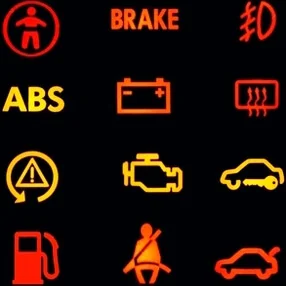
Drivers are alerted to various system faults via dashboard symbols. Interpreting these illuminated icons is not always intuitive, as not every motorist is well-versed in mechanics. Furthermore, the graphic design of the same symbol can vary between different car models. It is worth noting that not every light on the dashboard indicates a critical failure. Indicator lights are generally categorised by colour into three groups:
Red icons indicate danger. If a red symbol illuminates, pay attention to the onboard computer's signal and take immediate action to rectify the fault. Sometimes the issue is not critical, and you can proceed with caution, but often it is unsafe to continue driving.
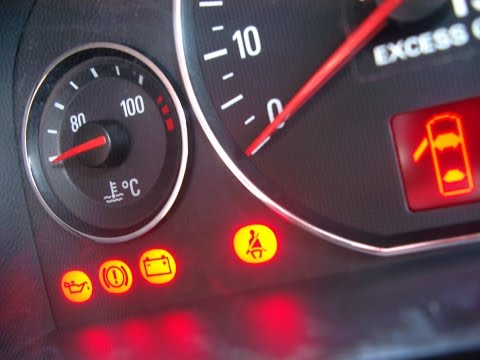
Main dashboard symbols
Amber (yellow) indicators warn of a malfunction, the need for specific driving adjustments, or upcoming service maintenance.
Green indicator lights inform you about the activity of vehicle service functions.
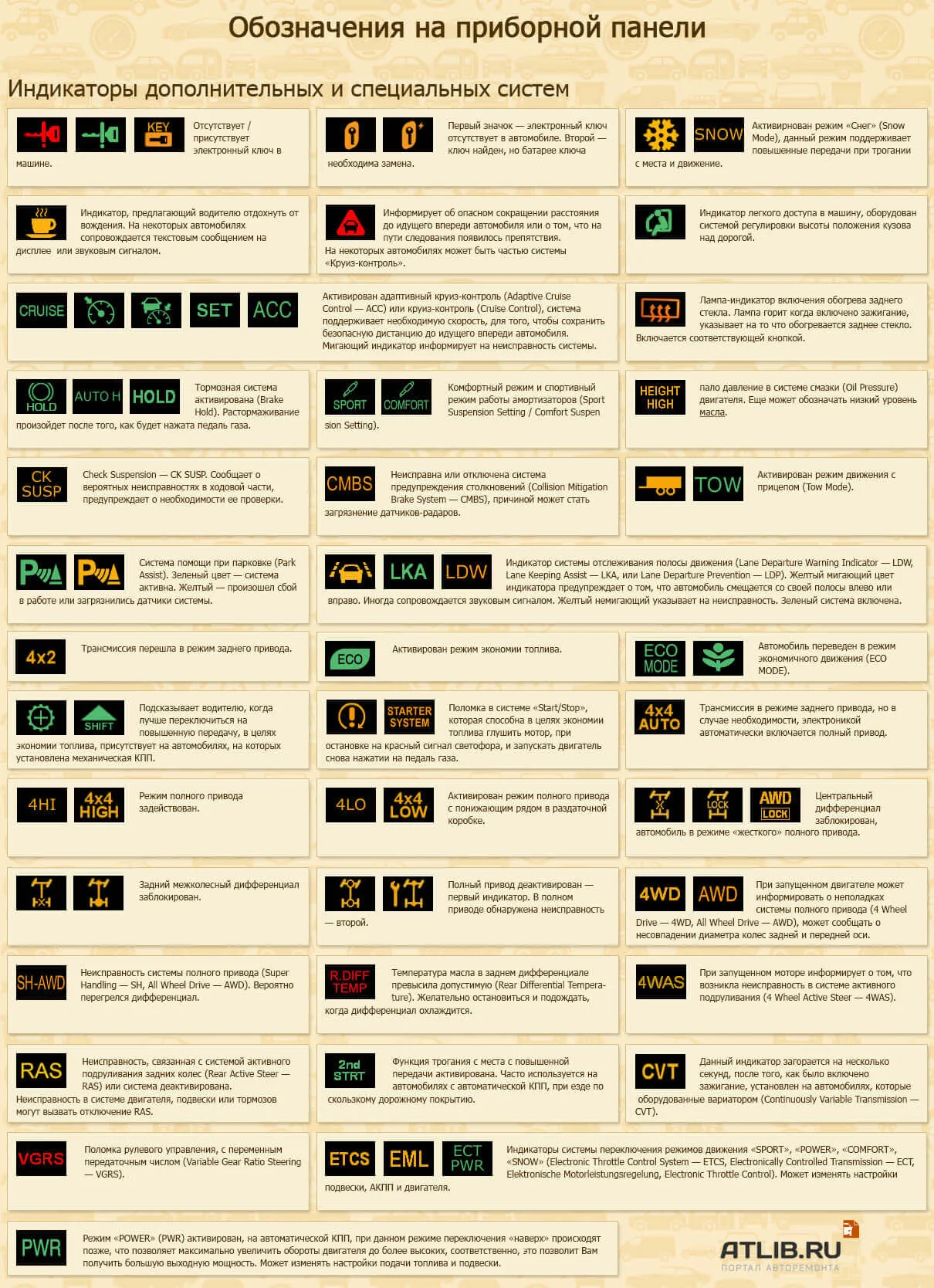
Below is a list of the most frequently asked questions and a decoding of what specific dashboard lights mean.
Informational Icons
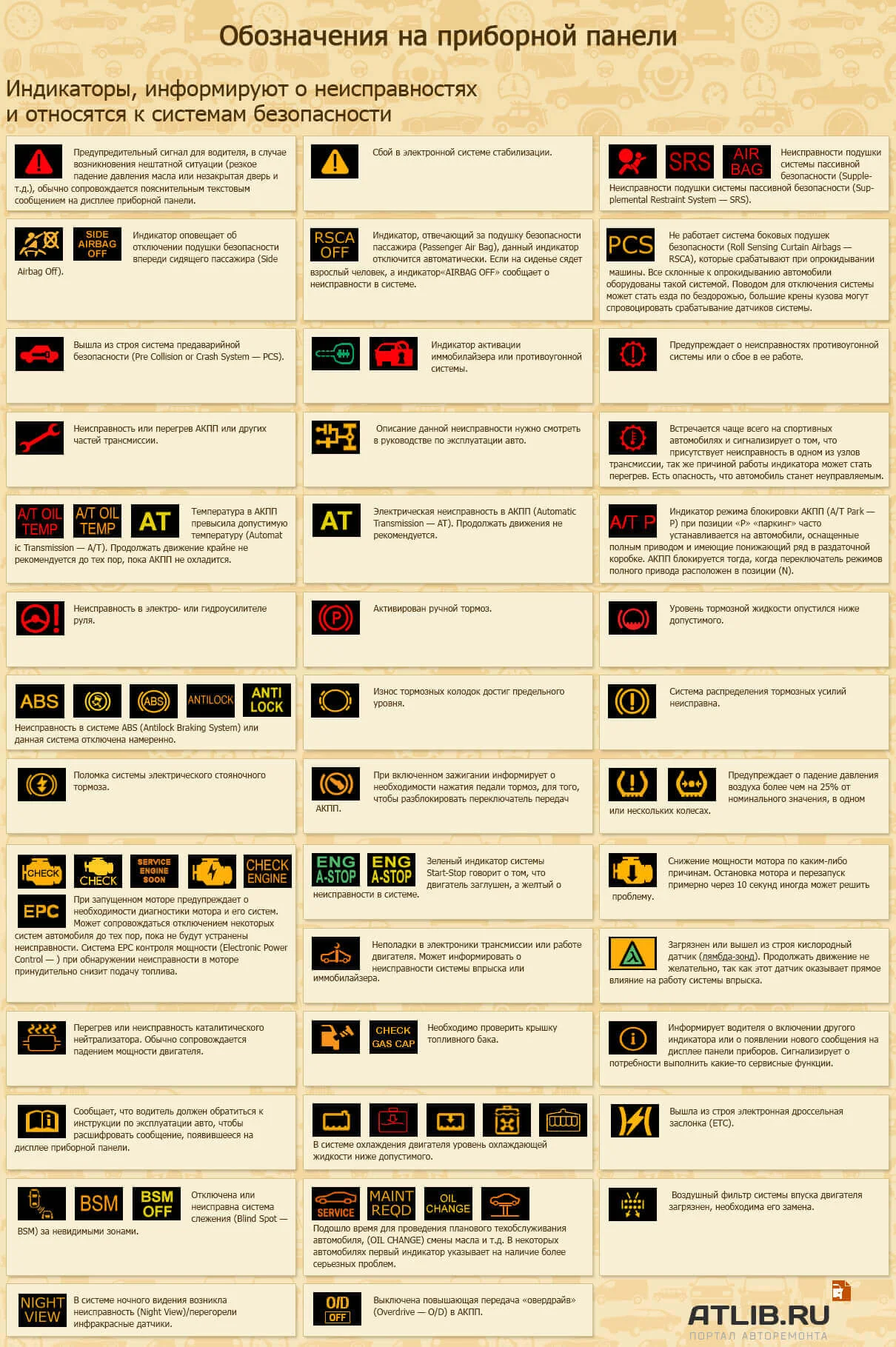
The car symbol can vary in appearance; it might be a 'car with a spanner', a 'car with a padlock', or a car with an exclamation mark. Here is a breakdown of these symbols:

When this indicator illuminates (car with a spanner), it signifies a fault in the engine operation (often a sensor failure) or the transmission's electronic system. Diagnostics will be required to ascertain the exact cause.

If a red car with a padlock lights up, it indicates issues with the factory anti-theft system. Often, this means the car cannot detect the immobiliser key and the engine will not start. However, if this icon flashes when the car is locked and stationary, everything is normal – the vehicle is secured.

An amber car indicator with an exclamation mark notifies drivers of hybrid vehicles about an electric drive malfunction. Resetting the error by disconnecting the battery terminal will not resolve the issue — professional diagnostics are needed.

We are used to seeing the open door symbol when a door or the boot lid is open. However, if all doors are shut but the light with one or four doors remains on, the issue often lies with the door switches (wire contacts).

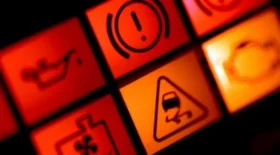
The slippery road symbol begins to flash when the stability control system detects a slippery surface and activates to prevent wheel spin by reducing engine power and braking the slipping wheel. There is no need to worry in this situation. However, if a spanner, triangle, or a 'crossed-out skid' symbol appears next to it, the stability system is faulty.

The spanner symbol appears on the display when vehicle maintenance is due. This is an informational indicator and is reset after the service is completed.
Warning Icons on the Dashboard

The steering wheel symbol can light up in two colours. An amber steering wheel usually implies adaptation is required, whereas a red steering wheel with an exclamation mark signals a failure of the power steering system (hydraulic or electric). When the red steering wheel is lit, the steering will likely become very heavy to turn.

The immobiliser symbol typically flashes when the car is locked; in this case, a red car with a white key signals that the anti-theft system is active. However, if the immobiliser light remains solid, there are three main reasons: the immobiliser is not activated, the key tag is not being read, or the anti-theft system is faulty.

The handbrake symbol illuminates not only when the handbrake lever is engaged but also if brake pads are worn or brake fluid requires topping up or changing. On cars with an electronic handbrake, the light may illuminate due to a switch or sensor glitch.


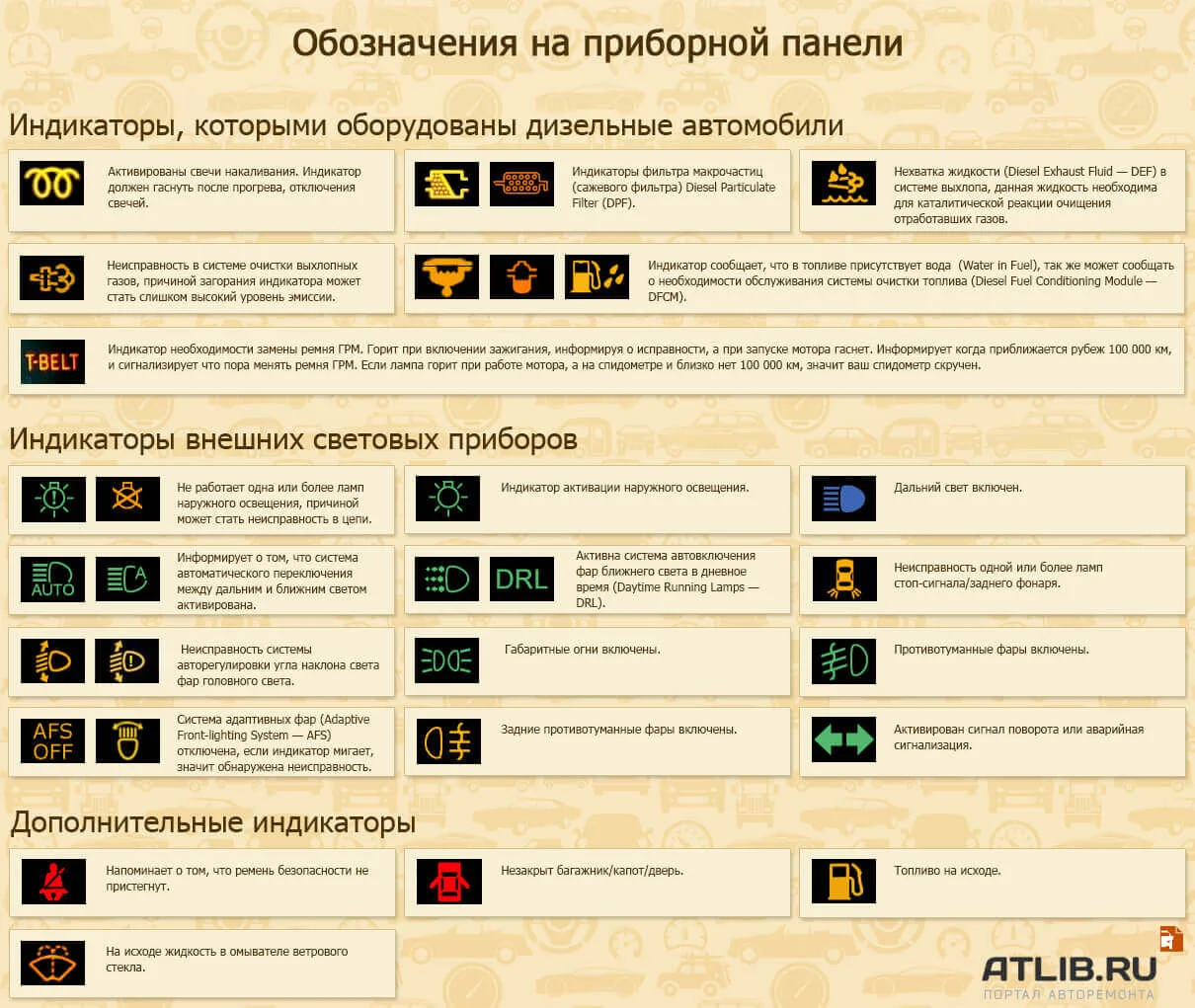
The coolant symbol has variants depending on the issue. A red light with a thermometer scale indicates high engine coolant temperature, while an amber expansion tank with waves signals a low coolant level. Note that the coolant light does not always indicate a low level; it could simply be a sensor or float glitch in the expansion tank.

The washer fluid symbol indicates a low fluid level in the windscreen washer reservoir. This indicator may light up not only when the level is actually low but also if the level sensor is clogged (contacts become coated due to poor-quality fluid), giving a false signal. On some cars, the sensor triggers if the fluid specification is incorrect.


The ASR symbol is the indicator for the Anti-Slip Regulation (traction control) system. This system's electronic unit works in tandem with ABS sensors. If this light remains on constantly, ASR is not functioning. On different cars, this icon may appear differently, often as an exclamation mark inside a triangle with an arrow around it, the text itself, or a car on a slippery road.

The catalytic converter symbol often illuminates when the catalytic element overheats, frequently accompanied by a sharp drop in engine power. Overheating can be caused by poor honeycomb throughput or ignition system problems. If the catalytic converter fails completely, high fuel consumption will accompany the warning light.

The exhaust gases symbol generally indicates a malfunction in the exhaust purification system according to the manual. However, typically, this light comes on after using poor-quality fuel or due to a lambda probe error. The system registers misfires, leading to increased emissions, and consequently, the 'exhaust gases' light illuminates. The issue is not usually critical, but diagnostics are recommended to determine the cause.
Malfunction Indicators

The battery symbol lights up if the voltage in the onboard network drops. This problem is often related to a lack of battery charge from the alternator, so it may also be referred to as the 'alternator light'. On hybrid vehicles, this indicator is supplemented by the inscription 'MAIN' at the bottom.

The oil symbol, or red oil can, indicates a drop in engine oil level or pressure. If this icon illuminates upon starting the engine and does not go out after a few seconds, or lights up while driving, it indicates issues with the lubrication system. The oil icon may feature a droplet or waves underneath. On some cars, the indicator is supplemented by text such as 'min', 'sensor', 'oil level' (amber text), or simply L and H (Low and High oil levels).


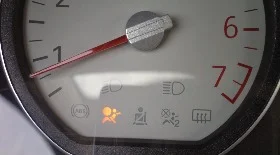
The airbag symbol can appear in several forms: as red 'SRS' or 'AIRBAG' text, or a 'red person with a seatbelt' and a circle in front. When one of these airbag lights is on, the onboard computer is alerting you to a fault in the passive safety system. In the event of an accident, the airbags will not deploy. You can read about the causes and fixes in the article on our website.


The exclamation mark symbol can look different and have different meanings. For example, a red (!) inside a circle indicates a brake system fault; it is advisable not to continue driving until the cause is established. Causes vary: handbrake engaged, worn brake pads, or low brake fluid level. Low fluid is particularly dangerous as it may indicate a damaged brake hose rather than just worn pads. However, the exclamation mark often lights up if the float (level sensor) is faulty or shorted, giving a false reading. On some cars, this is accompanied by the text 'BRAKE', but the nature of the problem remains the same.
The exclamation mark can also appear as an **'attention' sign**, on either a red or amber background. An amber 'attention' sign reports a fault in the electronic stability system. If on a red background, it generally warns the driver of something specific, usually accompanied by explanatory text or another informative symbol on the dashboard display.

The ABS symbol may have several display variants, but on all vehicles, it means the same thing – a malfunction in the ABS system. The anti-lock braking system is currently inactive. You can find out why ABS fails in our article. You can continue driving, but do not rely on ABS activation; the brakes will function as standard brakes.

The ESP symbol may light up periodically or remain on constantly. This light warns of stability system issues. The Electronic Stability Programme indicator usually glows for one of two reasons: either the steering angle sensor has failed or the brake light switch has stopped working. Sometimes the problem is more serious, such as a failed brake pressure sensor.

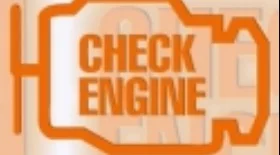
The engine symbol (often called the 'Check Engine' light) glows amber while the engine is running to indicate engine errors or electronic system faults. To determine the cause, self-diagnostics or computer diagnostics are performed.

The glow plug symbol appears on the dashboard of diesel vehicles. Its meaning is essentially the same as the 'Check Engine' light on petrol cars. If there are no errors in the electronic control unit, the coil icon should go out after the engine warms up and the glow plugs deactivate. Read here on how to check glow plugs.
This material is intended to be informative for most car owners. Although not absolutely every possible icon from every existing car is presented here, you will be able to understand the main dashboard symbols independently and won't panic when a light reappears on your panel.

Was this article useful?
Your feedback helps us improve our content.


Discussion (0)
No comments yet!