Power Steering Whining
What should you do if your power steering is whining? This question periodically troubles most car owners whose vehicles are equipped with this system. What could be the causes and consequences of this failure? And should you pay attention to it at all?
There can be several reasons why the power steering is making noise. Unusual sounds indicate a clear fault in the steering system. The sooner you rectify it, the more money you will save, and you will avoid the risk of getting into an accident due to a faulty steering system.
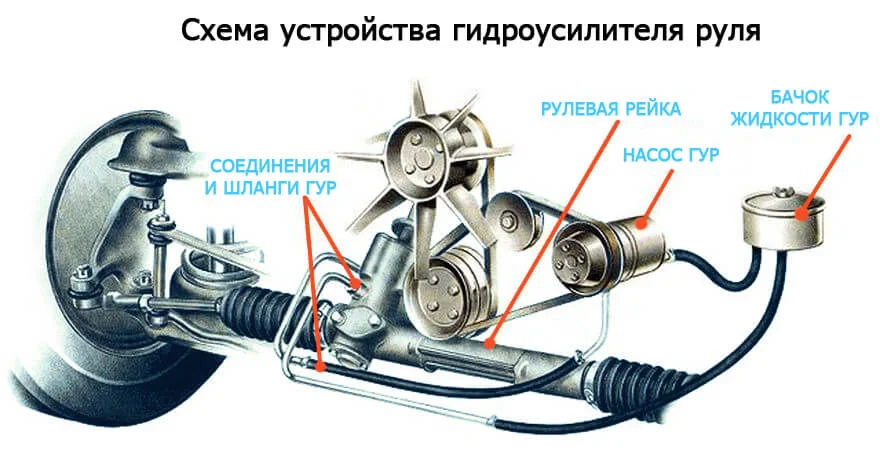
Power steering system layout
Causes of the noise
An unpleasant whine from the hydraulic power steering can occur under various circumstances. Let's look at the most common reasons why the power steering whines when turning:
- Low fluid level in the power steering system. You can check this visually by opening the bonnet and looking at the oil level in the expansion tank. It should be between the MIN and MAX marks. If the level is below the minimum mark, you should top up the fluid. However, before doing so, you must find the source of the leak, especially if not much time has passed since the last top-up. Typically, leaks occur at hose clips and joints, particularly if the hoses are old. Eliminate the leak before topping up.
- Incorrect fluid type that does not match the manufacturer's recommendations. This can cause not only whining but also more serious malfunctions. Additionally, the power steering may whine in winter because the fluid, although meeting specifications, is not designed for operation in extreme temperature regimes (severe frost).
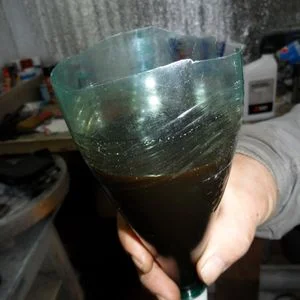
Dirty power steering fluid
- Poor quality or contaminated fluid in the system. If you bought counterfeit fluid, there is a high probability that it will lose its properties after some time, and the pump will start to whine. Usually, along with the noise, you will feel that the steering wheel has become heavier to turn. In this case, be sure to check the quality of the fluid. As in the previous case, open the bonnet and inspect the condition of the fluid. If it has blackened significantly or, worse, become clumpy, it needs to be changed. Ideally, the colour and consistency should not differ much from new fluid. You can check the condition visually. To do this, draw a little fluid from the reservoir with a syringe and drip it onto a clean sheet of paper. Red, crimson, maroon, green, or blue colours are acceptable (depending on the original used). The fluid should not be dark—brown, grey, or black. also, check the smell coming from the reservoir. It should not smell of burnt rubber or burnt oil. Remember that fluid replacement must be carried out in accordance with the schedule approved in your car's owner's manual (usually, it is changed every 70,000–100,000 kilometres or once every two years). If necessary, change the oil. You can find a list of the best fluids for power steering systems in our dedicated article.
- Air in the system. This is a very dangerous phenomenon that is harmful to the power steering pump. Check for foam in the hydraulic system's expansion tank. If present, you need to bleed the system or change the fluid.
- Steering rack faults. This can also cause whining. It is worth performing a visual inspection and diagnosis. The main signs of a rack fault are knocking in its housing or from the side of one of the front wheels. The cause may be the failure of seals and/or damage to the steering rod gaiters (boots), which can lead to leakage of working fluid, ingress of dust and dirt onto the rack, and knocking sounds. In any case, it is necessary to repair it using repair kits sold in auto parts shops, or seek help at a garage. Do not drive with a faulty steering rack; this can lead to it seizing up and causing an accident.
- Loose drive belt. Diagnosing this is quite simple. The procedure should be performed after the engine has been running for some time (the longer, the easier to diagnose). If the belt slips on the pulley, it becomes hot. You can verify this by carefully touching it with your hand. To tension it, you need to know the correct force required. If you do not have a manual and do not know the specifications, go to a service centre for help. If the belt is excessively worn, it needs to be replaced.
- Power steering pump failure. This is the most unpleasant and expensive breakdown. Its main symptom is an increase in the effort required to turn the steering wheel. The reasons why the pump whines can be various failed parts—bearings, impeller, or seals. You can learn about diagnostic and repair methods in another article.
Power Steering Whines When Cold
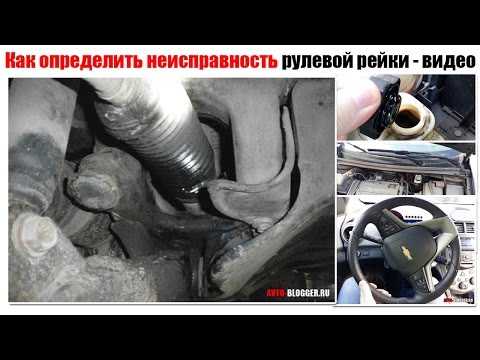
Diagnosing power steering and rack faults
There are several reasons why the power steering whines when cold. The first is air suction through low-pressure lines. To fix this, it is often enough to place two hose clips on the tube going from the reservoir to the pump. Additionally, it is worth replacing the O-ring on the suction pipe of the pump itself. After installing the clips, we recommend using an oil-resistant sealant to coat the clips and connection points.
Another potential, though less likely, cause is insufficient (poor quality) bleeding of the system. In this case, an air bubble remains at the bottom of the reservoir, which can be removed with a syringe. Naturally, its presence can cause the described noise.
Methods of elimination include replacing oil hoses and/or the rack, replacing the pump, and installing additional clips on all hoses to prevent air suction into the system. You can also perform the following procedures:
- replace the O-ring on the feed spout of the expansion tank;
- install a new hose from the reservoir to the pump using oil-resistant sealant;
- perform the air bleeding procedure (bubbles will appear on the fluid surface, which need time to burst) by turning the steering wheel with the engine off;
Another repair option involves replacing the O-ring in the suction pressure hose of the power steering (and if necessary, the hose itself and both clips). Over time, it loses elasticity and becomes hard, losing its seal and starting to let air into the system, causing knocking and foam in the reservoir. The solution is to replace this ring. Sometimes the problem arises because finding a similar ring in a shop can be difficult. But if you find it, be sure to replace it, secure it, and grease it with oil-resistant sealant.
For some cars, special power steering repair kits are available on the market. In case of problems with this unit, the first thing to do is buy a repair kit and change the rubber gaskets included in it. It is advisable to buy original kits (especially relevant for expensive foreign cars).
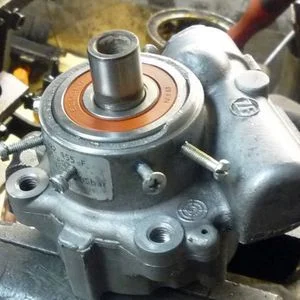
Power steering pump bearing
You must also ensure the absence of dirt in the system fluid. If present even in small quantities, it will eventually lead to wear of the pump parts, causing it to make unpleasant sounds and work poorly, expressed as increased effort when turning the steering wheel and possible knocking. Therefore, when changing the fluid, be sure to check if there are dirt deposits at the bottom of the expansion tank. If they are present, they must be removed. Check the filter in the reservoir (if equipped). It should be relatively clean, intact, and fit tightly against the tank walls. In some cases, it is better to replace the entire reservoir with the filter than try to clean them. Also in this case, it is necessary to remove the rack, disassemble it, wash away the dirt, and replace rubber-plastic parts using the aforementioned repair kit.
An unpleasant sound can be made by the external bearing of the power steering pump. Replacing it is easy, without the need for complete disassembly of the unit. However, sometimes it can be difficult to find a replacement.
There are special additives that can be added to the power steering fluid. They eliminate pump whine, reduce steering effort, increase the precision of the system, reduce vibration levels, and protect system parts from wear when the oil level is low. However, motorists have mixed opinions about such additives. They help some, while they harm others and hasten the need for pump replacement.
When choosing a fluid, pay attention to its temperature characteristics so that it works normally in severe frosts (if necessary). High viscosity oil will create obstacles for the normal operation of the power steering system.
Power Steering Whines When Hot
If the power steering whines when hot, there could be several problems. Let's look at a few typical situations and their solutions.
- If steering wheel vibration begins while the engine is warming up, it is necessary to replace the pump or repair it using a repair kit.
- When knocking appears on a warmed-up engine at low revs but disappears at high revs, it means the pump is failing. There are two solutions in this case: replacing the pump or using a thicker fluid in the power steering system.
- If you poured counterfeit fluid into the system, it may lose its viscosity when heated; consequently, the pump cannot create the necessary pressure in the system. The solution is to replace the oil with the original one, having previously flushed the system (pumping through with fresh fluid).
- Steering rack fault. When heated, the fluid becomes less viscous and can seep through the oil seals if they are damaged.
Power Steering Whines at Full Lock
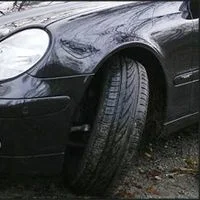
Do not hold the front wheels turned for long
It should be noted that when the wheels are turned to full lock, the power steering pump operates at maximum load. Therefore, it may emit additional sounds that are not a sign of malfunction. Some manufacturers state this in their owner's manuals. It is important to distinguish emergency noises associated with system faults.
However, if you are sure that the sounds appearing are a consequence of a malfunction in the system, diagnosis is necessary. The main reasons why the power steering whines at full lock are the same as those listed above. That is, you need to check the pump operation, fluid level in the expansion tank, belt tension, and fluid cleanliness. The situation described below is also possible.
Usually, in the upper part of the gearbox, there is a valve box designed to control hydraulic flows. When the wheel is turned to the extreme position, the flow is blocked by a bypass valve, and the fluid passes through a "small circle", meaning the pump works on itself and does not cool down. This is very harmful to it and fraught with serious breakdown—for example, scoring on the cylinder or pump vanes. In winter, when the oil is more viscous, this is especially relevant. Therefore, do not hold the wheels at full lock for more than 5 seconds.
Whining After Fluid Replacement
Sometimes the power steering starts to whine after an oil change. Unpleasant sounds can be caused by the pump if less viscous oil was poured into the system than was there before. The issue is that wear increases between the inner surface of the stator ring and the rotor plates. Vibration of the plates also occurs due to unevenness in the stator surface.
To prevent such a situation, we advise you to use the oil recommended by the manufacturer. This will save your car from breakdowns in the system.
Whining may also occur after replacing the high-pressure power steering hose. One of the reasons could be a poor-quality hose. Some garages are guilty of installing ordinary hydraulic hoses instead of special hoses designed for high pressure and operation in the power steering system. This can cause air locks in the system and, consequently, whining. The other reasons are completely analogous to the cases listed above (knocking when cold or hot).
Power Steering Maintenance Tips
To ensure the power steering works normally and does not knock, you should follow a few simple rules:
- Monitor the oil level in the system, top up and change it in time. In addition, check its condition. There is always a risk of buying low-quality fluid that becomes unusable after a short time of operation (check its colour and smell).
- Do not hold the wheels at full lock (both left and right) for a long time (more than 5 seconds). This is harmful to the pump, which operates without cooling.
- When parking the car, always leave the front wheels in a straight position. This will relieve the load on the power steering system when the engine is next started. This advice is especially relevant in cold weather when the oil thickens.
- In case of faults (whining, knocking, increased effort when turning the steering wheel), do not delay repairs. You will not only fix the breakdown at a lower cost but also protect your car, yourself, and your loved ones from possible accidents.
- Constantly monitor the condition of the steering rack. This especially concerns the condition of the gaiters (boots) and seals. This way, you will not only extend its service life but also save money on expensive repairs.
Conclusion
Remember that at the slightest sign of a malfunction in the car's steering, and in particular the power steering system, it is necessary to carry out diagnostics and repair work as quickly as possible. Otherwise, at a critical moment, you risk losing control of the car when the steering fails (for example, if the steering rack jams). Do not skimp on the condition of your car and the safety of yourself and your loved ones.
Was this article useful?
Your feedback helps us improve our content.
Related Materials


Discussion (0)
No comments yet!