Car Heater Blowing Cold Air

The problem of a weak car heater often goes unnoticed until the first cold snap arrives. In most cases, the fault doesn't appear spontaneously in late autumn or winter but is the result of long-standing issues in the engine cooling system. This problem can manifest for several reasons simultaneously. Therefore, if you don't want to freeze in the cabin or if your car heater is already blowing cold, you should systematically check the condition of all the components discussed below.

The heater design is quite simple and consists of a heater matrix (radiator), a control valve (in older models), hoses through which coolant circulates, air flaps, ducts, and a blower fan.
If the outside temperature is -25°C and your car heater warms the footwell to +16°C and the upper cabin to +10°C, the heater is considered to be working correctly. These figures ensure a minimally comfortable journey.
The most common problems include: airlocks in the system, a clogged heater matrix, fan failure, a faulty heater control valve (common in older vehicles), control unit glitches, and a stuck thermostat. These faults lead to the heater working only under certain conditions or not working at all.
Main Causes of Heater Failure
Most often, the main elements of the heating system suffer – the blower fan, the heater matrix, and the engine thermostat.
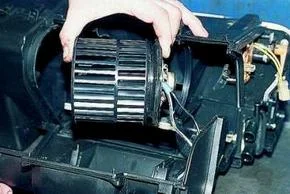
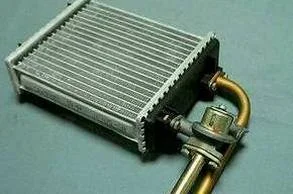
Main components of the car heating system.
To quickly identify a possible fault, let's look at the conditions under which the heater fails. The table below shows common causes and their symptoms:
| Symptoms of heater malfunction | Causes of failure |
|---|---|
| Air from vents alternates between hot and cold, or is only cold | The heating will not work properly if air has entered the engine cooling system. Airlocks most often occur when changing coolant or if the head gasket is blown. |
| Heats well only at low RPM, but blows cold at high speed | The thermostat may be stuck in the open position. When driving fast, the engine is overcooled by the oncoming airflow, and the heater stops blowing hot air. |
| Heater doesn't warm the cabin, airflow is barely tepid | The system cannot work effectively if the heater matrix is clogged. Externally, the fins get blocked by dust, leaves, and insects. Internally, the channels can be blocked by limescale, sludge from poor-quality coolant, or sealant. |
| Weak airflow from vents / unpleasant smell in the cabin | A heavily soiled cabin filter (pollen filter) leads to airflow issues. |
| Blows cold / squeaking noise inside the dashboard | A frequent breakdown is the blower fan failure. Worn bearings or brushes lead to unstable operation or the motor stopping completely. |
| Blows barely warm / weak airflow | The problem may be a lack of airtightness in the heater housing (cold air sucked in past the matrix) or poor sealing of the cabin filter. Solution: seal the matrix perimeter, ducts, and filter housing with foam tape. |
Problems can also arise with the climate control unit (incorrect temperature sensor readings or fan speed regulator faults).
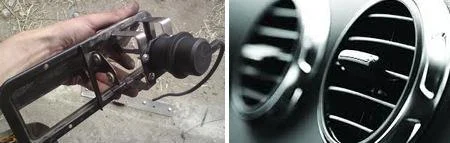
Malfunctioning flaps and vents are often the cause of poor heater performance.
Sometimes the heating system works incorrectly due to damaged or misadjusted flaps (blend doors). Air may not be passing through the matrix in sufficient volume. It may be necessary to adjust the cables or replace broken actuator arms.
Why the heater fails on older vehicles
Older cars and budget models often encounter specific mechanical issues:
- Heater Control Valve (Tap). The mechanism seizes, or seals dry out. Often requires replacement along with the matrix.
- Pipe Failure. Plastic or rubber elements can crack, leading to leaks and airlocks.
- Control Unit and Resistor. If the fan only works at maximum speed, the resistor pack has blown. If it doesn't work at all, the problem is the motor or the control unit.
Common types of vehicles prone to these mechanical issues:

A clogged matrix is a frequent cause of a cold cabin.
- Cars with manual heater valves;
- Older hatchbacks with cable controls;
- Vehicles with neglected coolant changes;
- High-mileage utility vehicles;
- Classic cars with copper radiators;
- Budget sedans;
- Old diesel estates;
- Off-road vehicles with auxiliary heaters;
- Models known for weak head gaskets;
- Cars with aftermarket cooling modifications.
How to diagnose why the heater is weak
To diagnose, perform the following actions:
- Check airflow. Air should come from the selected vents with sufficient force.
- Listen to the sound. Humming, whistling, or grinding noises indicate worn motor bearings/bushes or debris (leaves) in the impeller.
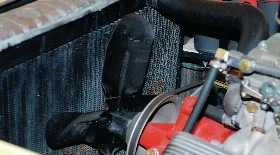
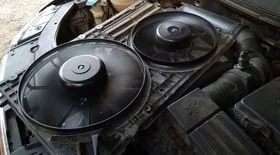
- Monitor Coolant Temperature. If the temperature gauge needle "jumps" or the engine doesn't reach operating temperature while driving, the thermostat is to blame. Overheating in traffic indicates problems with the radiator fan or water pump.
- Check the cabin filter. A clogged filter drastically reduces airflow. A damp, musty smell also signals the need for replacement.
- Assess heater hose temperatures. Warm up the car. Both hoses leading to the heater (inlet and outlet) through the bulkhead should be hot. If the inlet is hot but the outlet is cold, the matrix is blocked or has an airlock.
- Check coolant level and tightness. Dampness on floor mats or a greasy film on the inside of the windscreen are signs of a leaking heater matrix.
What to do if the car heater is blowing cold
Methods for eliminating major faults:
| Possible Problem | Symptoms | How to Fix |
|---|---|---|
| Air in the system |
|
|
| Thermostat stuck (open) | Engine takes a long time to warm up, temp drops on the motorway, heater cools down. Replace thermostat. | |
| Clogged heater matrix |
|
|
| Faulty valve or flaps |
| |
| Broken blend door actuator | Blows cold on one side or everywhere | Check and replace the servo motor for the blend door. |
| Clogged cabin filter | Air is hot, but flow is very weak | Replace the filter. |
| Fan not spinning well | Repair or replace the motor. Temporary measure — lubricate bearings. | |
| Fan not working |
| |
| Control unit glitches |
| |
| Internal baffle failure in matrix | Both hoses hot, but air is cold | Fluid takes the short path without passing through the fins. Only matrix replacement helps. |
| Housing leaks | Cold air blows into the cabin bypassing the heater | Seal the joints of the heater casing and ducts with foam or sealant. |
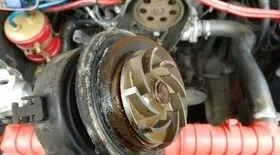
| Worn water pump impeller | Heats only at high engine RPM | No circulation at idle. Replace the water pump. |
How to improve heater performance
Prevention and tips:
- Clean the radiators. External fins (under the bonnet) can be blown out with compressed air or carefully washed with water (don't bend the fins!). The internal matrix (in the cabin) should be vacuumed of dust when changing the filter, if accessible.
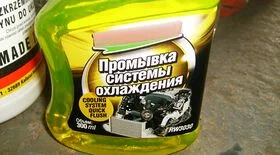
- Flush the system. Deposits inside channels arise from poor-quality coolant or mixing different types of fluids. Flushing with citric acid or chemical flush helps, but in neglected cases (hard deposits), it is powerless. Change the coolant every 2-3 years or if it changes colour.
- Watch the thermostat. If it sticks open, the engine won't warm up, and the cabin will be cold. If it sticks closed, the engine will overheat ("boil"), threatening expensive repairs.
- Change the cabin filter. A clogged filter is the main cause of foggy windows and weak airflow. Change it every 10,000–15,000 miles or more often.
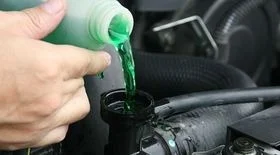
- Bleed airlocks. If you hear gurgling in the dashboard when revving, there is air in the system. Park the front wheels on an incline, open the expansion tank cap (on a cold engine only!) and let it run, topping up coolant as the level drops.
- Check the mechanics. Flap cables stretch over time. Check if the valve or "hot-cold" flap reaches its limit position.

Timely maintenance of the cooling system ensures warmth in the car during winter. Clean coolant, a working thermostat, and the absence of airlocks guarantee comfort in any frost.
Related materials:
- Heater blowing cold air: main causes
- Heater fan not working properly
- Why the heater is cold at idle speed
- Cold air coming from vents
Was this article useful?
Your feedback helps us improve our content.
Related Materials
Discussion (0)
No comments yet!