How to Flush the Engine Cooling System

Car owners usually start thinking about flushing the radiator during the summer. It is in hot weather that engine overheating occurs most frequently due to insufficient cooling caused by a contaminated radiator. The system's design is such that clogging and poor heat dissipation occur not only due to external factors (dirt, fluff, debris) but also internal ones — coolant decomposition products, rust, and limescale.
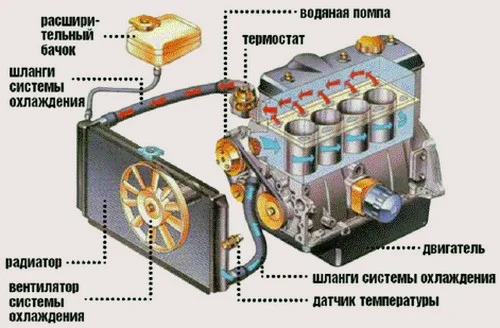
There are several methods for flushing the engine cooling system, the choice of which depends on the degree of contamination. The main thing is to avoid common mistakes.
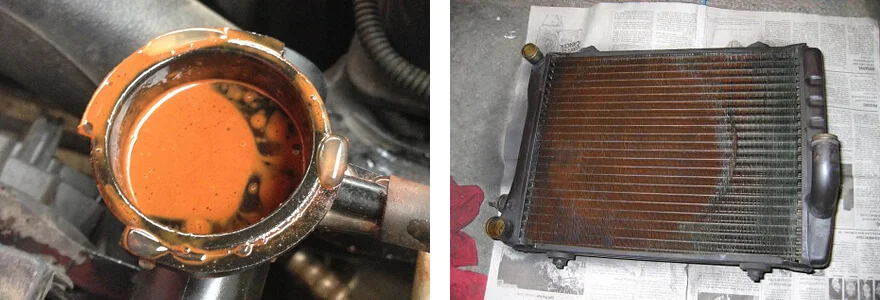
Cleaning with Distilled Water
This method is suitable for preventative maintenance when there are no obvious signs of scale. Use only distilled water. Tap water contains salts and impurities that form limescale when heated (think of your kettle).
Procedure:
- Drain the old coolant (use the drain plugs on the radiator and the cylinder block, if available).
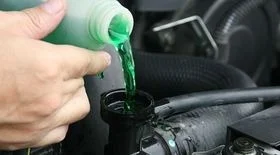
- Fill with water and close the caps.
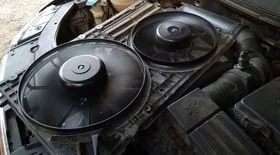
- Start the engine. Important: turn the heater on to maximum and wait for the engine to warm up to operating temperature (the fan should kick in). This opens the thermostat, allowing water to circulate through the 'large circuit' and flush the radiator.
- Let it run for 15–20 minutes, switch off the engine, let it cool down slightly, and drain the water.
Cleaning with Acidified Water
Over time, limescale can build up in the system, impairing heat dissipation. Plain water won't help here; a mildly acidic solution is needed, using citric acid or vinegar.
The procedure is similar to flushing with plain water, but differs in the duration of exposure:
- Pour in the solution and warm up the engine until the thermostat opens (turn the heater on).
- Leave the solution in the system for 2–3 hours (you can switch off the engine).
- Drain the fluid.
- You must flush the system with clean distilled water (1–2 times) to remove any acid residue.
Proportions:
- When cleaning with citric acid: 100–120 g of acid per 5 litres of water.
- When cleaning with vinegar: 500 ml of 9% vinegar per 10 litres of water.

Renault cooling system flush
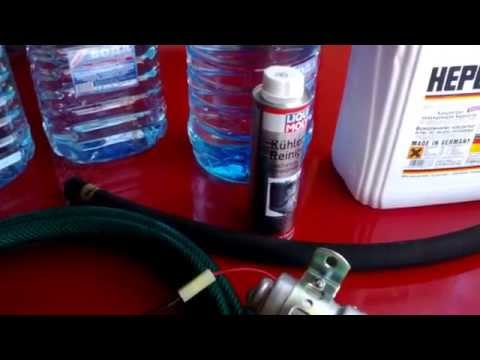
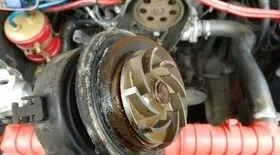
Audi 100 cooling system flush
Some car owners use caustic soda, but extreme caution is required. Caustic soda can only be used for copper radiators! Proportion: 50–60 g of soda per 1 litre of distilled water. This substance corrodes aluminium radiators and cylinder blocks.
Cleaning with Specialist Products
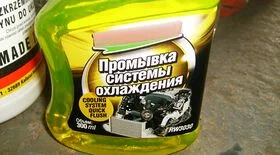
Automotive stores sell special fluids for flushing the cooling system. They contain components capable of removing serious deposits but act more gently than homemade acid mixtures. Strictly follow the instructions on the packaging: some products are added to the old antifreeze before draining ('soft flush'), whilst others are poured in with water replacing the coolant.
How to Bleed Air from the System
After the final fill of new coolant, airlocks may remain in the system, causing the engine to overheat and the heater to blow cold air.
Cleaning External Radiator Elements
Dirt, dust, sand, and fluff get stuck between the radiator fins, blocking airflow. Compressed air or a water jet is used for cleaning.
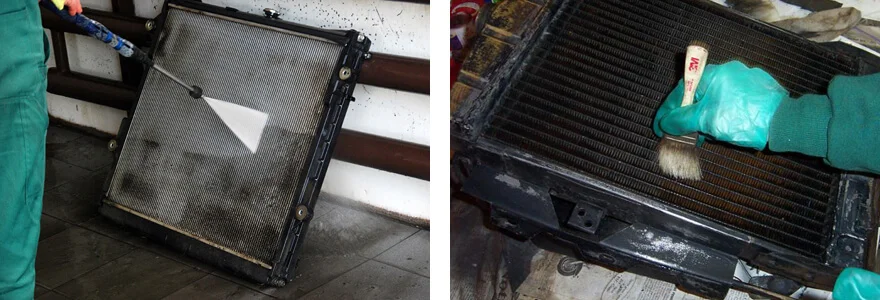
When washing with water, be sure to cover the alternator and electrical connectors with plastic sheeting. Be careful with the water pressure (e.g. using a pressure washer): a strong jet can bend the thin radiator fins, which will worsen cooling problems.
Was this article useful?
Your feedback helps us improve our content.
Related Materials

Discussion (0)
No comments yet!