How to stop an alternator belt from squealing

Drive belt squeal is a common problem that can occur even after fitting a new component. Often, the noise appears not due to a defect in the belt itself, but because of faults in adjacent units or errors during installation.
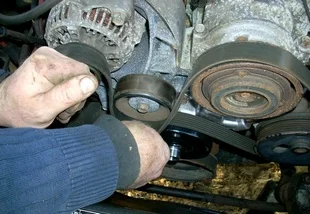
Inspection of the belt and troubleshooting the squeal.
Diagnostics: what to look for
Before replacing parts, it is advisable to inspect the entire belt drive system. Key stages of the check:
- Belt integrity. Inspect the working surface for cracks, missing ribs or 'glazing' (a shiny, hard surface).
- Tension level. Weak tension is the most frequent cause of slipping and squealing.
- Pulley cleanliness. Oil or coolant on the surface reduces friction.
- Pulley alignment. Misalignment leads to rapid wear of the belt edge and extraneous noises.
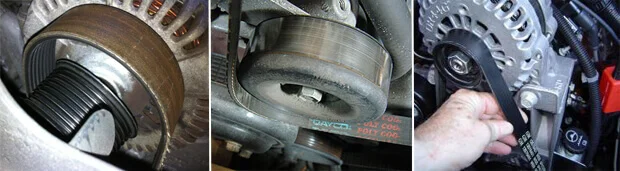
5 main causes of squeal and methods of elimination
Below is a list of the most common reasons for this unpleasant sound and ways to solve the problem:
Contamination of the belt or pulleys. Oil, coolant or other technical fluids on the components act as a lubricant, causing slippage.
Important: Do not wipe the belt with petrol — it destroys the rubber. If the belt is deeply soaked in oil, it should be replaced. Surface contamination on pulleys can be removed with a special degreaser.Weak tension. If the belt sags, it slips under load. Tension must be checked. In systems with manual adjustment — tighten the belt (but do not over-tighten, to avoid ruining the bearings). In systems with an automatic tensioner roller — check the condition of the tensioner spring.
Pulley misalignment. The alternator and crankshaft pulleys must be strictly aligned. Even a slight misalignment causes vibration and squeaking. It is necessary to check the alternator mountings and bracket geometry.
Belt stiffness and cold weather. Squealing on a cold engine that disappears after warming up often indicates low belt quality (it hardens in the frost) or extreme wear. Overly stiff rubber loses grip with the pulley. The solution is replacement with a higher quality item.
Bearing wear. It might not be the belt squealing, but the bearings of the alternator or the tensioner pulley. If rotating the pulleys by hand with the belt removed is accompanied by noise, play or roughness — the bearing or pulley must be replaced. Specialised grease can be used for bearings if the unit is serviceable.
Was this article useful?
Your feedback helps us improve our content.
Discussion (0)
No comments yet!