Oil Warning Light On: Causes and Actions
The oil warning light should remain off when the engine is running and there is sufficient lubricant. If it lights up, it indicates a fault: low oil level in the sump, critically low pressure in the system (clogged filter, pump issues), or sensor failure. First, you need to distinguish the colour of the indicator (yellow means level, red means pressure) and check the oil quantity with the dipstick.
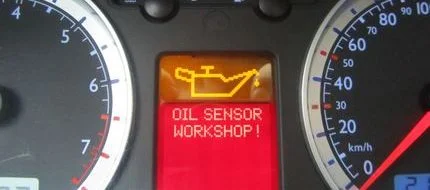
Driving a car with the oil pressure light on is forbidden, as the engine suffers from oil starvation, which will quickly lead to seizing and the need for a major rebuild. If the yellow light (level) is on and the dipstick shows oil is present (even if at the minimum mark), you can carefully drive to a service centre. If the red light (pressure) is on, you cannot drive the vehicle under its own power.
Reasons why the oil light comes on
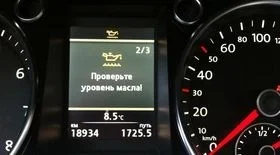
Before analysing the causes, it is important to distinguish the concepts. The warning lights are controlled by the on-board computer system. Usually, a yellow icon (oil can, sometimes with wavy lines underneath) signals low oil level. A red lamp signals low pressure. Modern displays may show text warnings.
The lights operate from different sensors. Even with a low level, the pump can create pressure as long as the pickup pipe is submerged in oil. Conversely, the level may be normal, but due to a faulty pump, there will be no pressure.
Let's look at the main reasons for indicator activation.
Low oil level in the sump. The most common problem. If the level drops below the minimum, the level sensor triggers (yellow indication). If this is ignored, the pump will start drawing in air, pressure will drop, and the red light will come on. This can happen due to natural oil consumption or leaks.
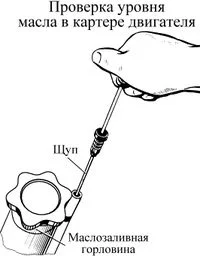
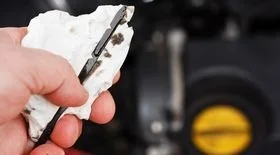
Checking oil level with a dipstick
Sometimes the light comes on briefly during sharp braking, cornering, or on a steep slope. This means the oil level is borderline: tilting causes it to surge away from the sensor. This is a signal to check the dipstick and top up the fluid.
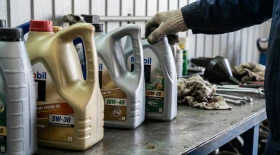
Incorrect oil grade selected. If the viscosity is too high for the current temperature (oil has thickened in the frost) or too low (oil has become like water in the heat), the pressure sensor may trigger. The pump either struggles to circulate thick oil, or thin oil fails to maintain pressure in the clearances.
Poor quality oil filter. The filter should contain an anti-drain back valve that keeps oil inside when the engine is off. If the valve fails, oil drains into the sump. Upon the next start, the pump needs a few seconds to refill the system. During this time, the pressure light stays on. If it goes out after 2-3 seconds, this is acceptable; if it stays on longer, the filter should be replaced.
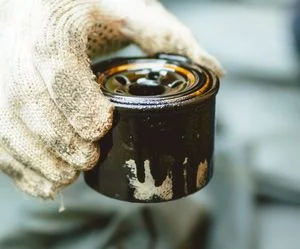
Clogged oil filter. If the filter element is clogged with dirt, flow capacity drops. System pressure decreases, potentially triggering the sensor. This usually happens when service intervals are significantly exceeded.
Oil pump pressure relief valve. The valve regulates system pressure. If its spring has weakened or the piston has seized in the open position, pressure will not rise to the required level, and the light will stay on or flicker at idle.
Faulty oil level sensor. If the level light is on but the dipstick shows a normal level, the sensor float may be stuck, or the wiring damaged.
Faulty oil pressure sensor. A common issue. The sensor may give false readings, short out, or leak. In freezing weather, oil can sometimes be forced through the sensor body ("blowing" the seal), causing contact failure or a drop in actual pressure.
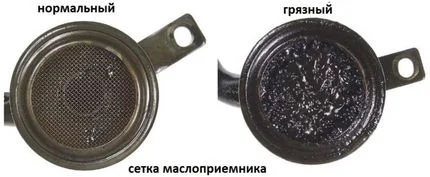
Clogged oil pickup strainer. The pump in the sump has a coarse mesh strainer. If it gets clogged with carbon deposits and sludge, the pump cannot draw in the required amount of oil. Pressure drops, and oil starvation occurs.
Faulty oil pump. Wear on the gears or rotor of the pump leads to a drop in performance. The pressure light may start flickering on a warm engine at idle.
Oil leaks. Check the engine for leaks: from the filter, pressure sensor, crankshaft oil seals, rocker cover gasket, or the sump.
Clogged oil galleries. Relevant for modern engines with narrow channels. Using poor quality oil and infrequent changes leads to deposits that block the oil ways.
Engine wear (bearings). In engines with high mileage, clearances in the crankshaft bearings increase. Oil escapes through these gaps faster than the pump can build pressure. The light often comes on when the engine is hot and idling.
Coolant or fuel entering the oil. If the head gasket fails, coolant can mix with the oil, turning it into an emulsion. The oil dilutes and loses its properties. This is visible by white smoke from the exhaust and a rising oil level (it looks like coffee with milk).
What to do if the oil light comes on
Actions depend on which light has illuminated (colour) and under what conditions.
Low level (usually yellow light). If the yellow oil can appears or you checked the dipstick and saw a low level: switch off the engine, let the oil settle for 5-10 minutes, and top up to the normal level (between MIN and MAX).
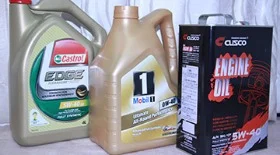
It is best to top up with the same oil that is already in the engine. If unavailable, any motor oil is better than driving "dry". You can drive to a garage for a full oil change in this case, but avoid putting the engine under load.
If the RED light is on (pressure). Stop in a safe place and switch off the engine. Check the level with the dipstick.
1. No oil (dipstick is dry): Top up the oil. Start the engine. If the light goes out, you can drive while monitoring the level. If oil is pouring out underneath, call a recovery vehicle.
2. Level is normal, but light is on: You must not start the engine. The issue is with pressure (pump, bearings, clogged channels). Driving will lead to the engine seizing. Call a recovery vehicle.
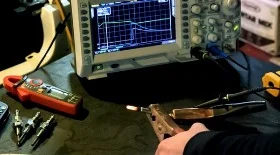
Checking the pressure sensor. If you are an experienced driver and suspect a sensor glitch (level is normal, engine runs smoothly without odd noises), you can inspect the sensor itself. Often it leaks, or the terminal comes loose. An accurate pressure check is done with a mechanical pressure gauge screwed in place of the sensor. If the gauge shows normal readings, replace the sensor. If there is no pressure, engine repair is needed.
Clogged filter. If the problem arose in winter during a cold start or immediately after an oil change, you may have a defective filter. Replacing it often solves the problem.
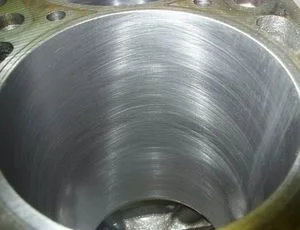
Leaks and consumption. If you constantly have to top up oil, you need to find the cause of the consumption. Blue smoke from the exhaust indicates wear on the piston assembly or valve stem seals. Puddles under the car indicate leaking oil seals.
Blown head gasket. If the oil has turned the colour of coffee with milk and coolant is disappearing, the cylinder head gasket is blown. The engine cannot be used; urgent repair is required.
Rare causes and nuances
- Electrical glitch. Damaged insulation on the pressure sensor wire can short it to "earth", causing a false warning light.
- Winter starting. In severe frost, oil thickens. Upon starting, the lamp may stay on for 2-5 seconds until the system circulates. If it goes out and the engine runs normally, this is acceptable.
How far can you drive with the oil light on?
Summary:
- Red oil can (no pressure): 0 km. Do not drive. Switch off the engine immediately.
- Yellow oil can (low level): Check the dipstick. If oil touches the dipstick, you can drive carefully to a shop/garage. If the dipstick is dry, top up before starting.
Was this article useful?
Your feedback helps us improve our content.
Discussion (0)
No comments yet!